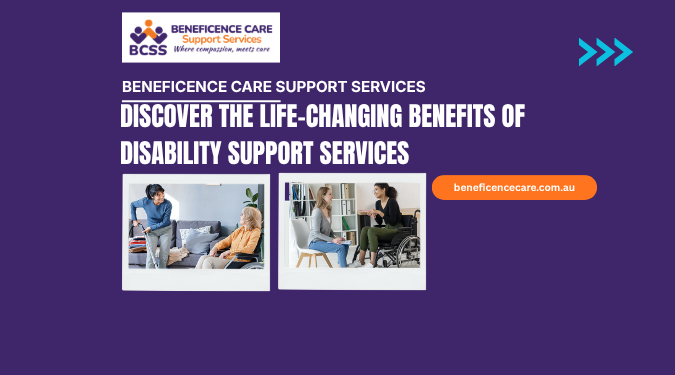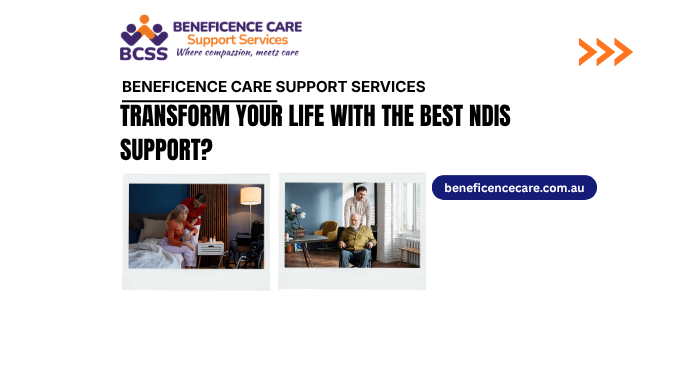
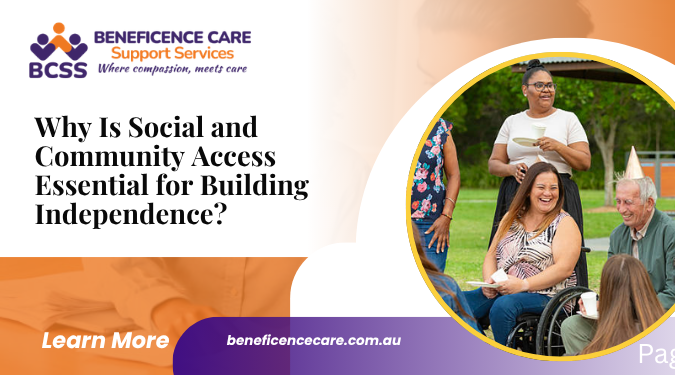
As individuals age or face physical or cognitive challenges, maintaining independence becomes a priority. In-home support services play a crucial role in helping people live comfortably and autonomously in their own homes. These services are designed to provide personalised assistance that promotes self-sufficiency while ensuring safety and well-being. In this blog, we’ll explore how in-home support empowers individuals to maintain their independence while receiving the care and support they need.
How Do Support Staff Help Participants With Capacity Building?
Capacity building is at the heart of the NDIS, focusing on helping participants develop the skills and confidence needed to live more independently. In Newport, experienced support staff play a vital role in delivering structured, person-centred support that enables individuals to achieve meaningful goals over time.
Rather than offering short-term assistance, capacity building is a gradual, methodical process designed to create lasting change. Here’s how skilled support workers approach it.
Understanding Individual Goals and Needs
The first step in effective capacity building is gaining a clear understanding of each participant’s goals, preferences and challenges. Disability support services providers in Newport work closely with participants, families and carers to identify:
- Short-term and long-term goals
- Current skill levels
- Barriers to independence
- Personal interests and motivations
This ensures that all support strategies are tailored and relevant, making progress more achievable and meaningful.
Creating Structured, Goal-Oriented Plans
Once goals are established, support staff develop structured plans that break larger objectives into manageable steps. These plans are designed to:
- Build skills progressively
- Track measurable outcomes
- Adjust based on participant progress
For example, if a participant wants to improve daily living skills, the plan may start with simple routines before advancing to more complex tasks. This step-by-step approach helps avoid overwhelm and promotes steady improvement.
Skill Development Through Practical Support
Capacity building is most effective when participants actively engage in learning. Support staff provide hands-on guidance in areas such as:
- Personal care and hygiene
- Cooking and meal preparation
- Budgeting and money management
- Communication and social skills
Rather than doing tasks for participants, support workers encourage them to take the lead, offering assistance only when needed. This builds confidence and reinforces independence.
Encouraging Consistency and Routine
Consistency is key to long-term success. Support staff help participants establish daily routines that reinforce newly learned skills. This may include:
- Setting regular schedules
- Using visual prompts or reminders
- Practising skills in real-life situations
In Newport, where community engagement is encouraged, participants are often supported in applying their skills outside the home, further strengthening their independence.
Building Confidence and Decision-Making Skills
Capacity building isn’t just about practical abilities—it also involves developing confidence and autonomy. NDIS services providers in Newport foster this by:
- Encouraging participants to make their own choices
- Providing positive reinforcement
- Allowing safe opportunities to learn from mistakes
Over time, participants become more comfortable making decisions, advocating for themselves and taking control of their lives.
Monitoring Progress and Adapting Support
Effective capacity building requires ongoing evaluation. Support staff regularly review progress and adjust strategies to ensure continued growth. This involves:
- Tracking achievements against goals
- Identifying areas needing additional support
- Celebrating milestones
Flexibility is essential, as each participant’s journey is unique and may require changes along the way.

Promoting Community Participation
A key aspect of capacity building is helping participants engage with their community. Support staff in Newport encourage involvement in:
- Social groups and activities
- Local events and programs
- Volunteering or skill-building opportunities
This not only enhances social skills but also fosters a sense of belonging and purpose.
Collaboration with Allied Health Professionals
Support staff often work alongside therapists, support coordinators and other professionals to provide holistic care. This collaborative approach ensures:
Consistency in support strategies
Access to specialised expertise
Better overall outcomes for participants
By aligning efforts, participants receive well-rounded support that addresses both practical and developmental needs.
In Conclusion
Capacity building is a transformative process that empowers NDIS participants to live more independently and confidently. In Newport, dedicated support staff use structured, personalised approaches to help individuals develop essential life skills and achieve their goals.
With the right guidance, encouragement and consistency, participants can unlock their full potential and enjoy a greater sense of control over their lives.
Call to Discuss Your Needs
To discuss your NDIS requirements with us, call 1800 945 300 or drop an email at ndis@beneficencecare.com.au so we can get in touch with you.
NDIS Capacity Building FAQs
- How does capacity building differ from regular support under the NDIS?Capacity building focuses on developing long-term skills and independence, whereas regular support often involves assistance with immediate daily tasks without necessarily building future capability.
- How do support staff measure progress in capacity building programs?Progress is tracked using goal-based outcomes, skill assessments, participant feedback and regular plan reviews to ensure improvements are consistent and meaningful.
- What role do participants play in shaping their own capacity building plans?Participants are central to the process, actively setting goals, providing feedback and making decisions to ensure supports align with their preferences and aspirations.
- Can capacity building approaches be adjusted if a participant is not progressing as expected?Yes, support staff regularly reassess strategies and adapt methods, pacing or goals to better suit the participant’s learning style and changing needs.
- How do support workers balance providing help without creating dependency?They use a “guided support” approach—encouraging participants to attempt tasks independently while stepping in only when necessary, gradually reducing assistance over time.
- Are capacity building supports suitable for participants with complex needs?Absolutely. Plans are customised to suit all ability levels, with additional structure, repetition and specialist input provided where required.
- How does community participation contribute to capacity building outcomes?Engaging in community activities helps participants apply skills in real-world settings, improving confidence, social interaction and adaptability.
- What strategies are used to improve motivation in participants during capacity building?Support staff use goal-setting, positive reinforcement, interest-based activities and milestone celebrations to keep participants engaged and motivated.
- How do support staff ensure consistency when multiple workers are involved?Clear documentation, shared care plans and regular communication between team members ensure consistent approaches and continuity of support.
- Can family members or carers be involved in the capacity building process?Yes, involving families and carers helps reinforce skills outside support hours, ensuring consistency and faster progress towards independence.
The Rise of Technology and Innovation in Ndis Support: A New Era for Participants
The National Disability Insurance Scheme (NDIS) is evolving faster than ever, not just in terms of funding, but in how support is delivered, experienced, and measured. In 2026, one of the biggest trends shaping disability support is the integration of technology, digital platforms, and innovative service delivery models. This transformation is improving outcomes, boosting independence, and reshaping how participants interact with their NDIS service provider Moreton Bay.
Whether you are an NDIS participant, family member, carer, or plan manager, understanding this trend can help you get more from your plan, including better engagement, higher efficiency, and measurable progress toward goals.
Why Technology Matters in Disability Support?
Historically, disability support focused heavily on in‑person care and manual service coordination. While these remain foundational, participants now want greater autonomy, transparency, and real‑time support. Technology has made this possible through:
- Apps for Scheduling & Communication: Participants can book support, track progress, and communicate with providers seamlessly.
- Remote Therapy & Telehealth: Speech therapy, psychology, occupational therapy, and physiotherapy can be delivered online.
- Digital Goal Tracking: Real‑time insights help participants and coordinators monitor milestone achievements.
- Assistive Devices: Smart tech solutions now boost independence from voice‑activated tools to wearable sensors.
With innovations like these, working with an NDIS services provider Moreton Bay becomes more flexible, efficient, and participant-centred.
How Digital Tools Are Changing the NDIS Experience?
Let’s explore the major ways technology is reshaping the NDIS landscape.
1. Remote Support & Virtual Care
One of the fastest-growing trends in 2026 is virtual service delivery. Not just for urban areas, virtual care has become essential for:
- Participants in regional or rural locations;
- Those with mobility challenges;
- Individuals seeking flexible service hours.
For example, virtual support can help a participant access therapy from home, participate in life skills training via video calls, or attend coaching sessions without travel. This is especially useful for users of disability support services provider Moreton Bay, expanding access beyond traditional visit‑based care.
2. Data‑Driven Planning & Outcome Measurement
The days of fragmented progress notes are fading. Today’s providers are using analytics dashboards to track:
- Achievement of support goals;
- Behaviour support plan effectiveness
- Therapy outcomes;
- Daily activity and skill improvement.
This data helps participants show tangible progress in plan reviews, justify funding increases for effective supports, and make informed decisions about their services. For families and NDIS coordinators, data‑backed insights improve transparency and accountability.
3. Assistive Tech & Smart Devices
Innovations in assistive technology are exploding. Smart devices are no longer luxury extras; many are now covered when they directly tie to independence goals.
Examples include:
- Smart home systems with adaptive controls;
- Wheelchair‑mounted tablets;
- Voice‑assisted communication devices;
- Wearables that support safety and location alerts.
These tools enhance independence and make collaboration with an NDIS services provider in Moreton Bay more seamless.
Leading Trends in Service Delivery for 2026
The disability sector is embracing more than technology; it’s embracing new service models that reflect participant choice, flexibility, and innovation.
🔹 Hybrid Service Models
Participants now blend in‑person and digital support. For example, a participant might:
- Receive onsite personal care twice weekly;
- Do remote goal coaching via app;
- Engage in teletherapy sessions twice a month.
This hybrid approach reduces travel stress, maximises time use, and boosts continuity of support.
🔹 Community Access Programs Through Augmented Reality
Some providers are trialling virtual experiences that prepare participants for real‑world activities. For instance, a person with anxiety might use an augmented reality app to practice going to a cafe before trying the real thing. This reduces stress and builds confidence.
🔹 Outcome‑Focused Plans
With data tools, NDIS plans are shifting from hours allocated to outcomes achieved. Providers now report against measurable goals like increased independence checks, improved communication skills, or social engagement metrics, which makes plan reviews more goal‑oriented.
The Role of an NDIS Provider in a Digital Age
While technology is a powerful enabler, human‑centred support remains essential. An NDIS services provider in Moreton Bay today must combine:
- Digital tools for coordination, tracking, and delivery;
- Skilled support workers who understand accessibility and empathy;
- Flexibility to adapt technology to individual needs;
- A focus on participant choice and control.
Technology should never replace human connection, but it amplifies it. Providers that successfully combine both are leading the way in the current NDIS landscape.

Benefits Participants Are Seeing Right Now
Here’s what participants are reporting from tech‑enabled services:
✔ Faster response times for bookings and changes
✔ Greater independence and confidence
✔ Reduced travel time and cost
✔ Better measurable progress toward goals
✔ Increased engagement in therapy and community support
These benefits are not theoretical; they are shaping how services are delivered, funded, and evaluated.
Frequently Asked Questions About Technology in NDIS Support
- What is telehealth in the NDIS?Telehealth is the online delivery of therapy and support sessions that count as funded supports in your plan.
- Can I manage my NDIS plan using apps?Yes, many participants now use secure apps to monitor budgets, appointments, and claims.
- Does my NDIS provider need special tech training?Providers offering digital support should use accredited platforms and train staff appropriately.
- Are smart tech devices covered by NDIS funding?They can be funded when they directly support your goals, like communication or independence.
- What if I do not want digital services?You always have a choice. Technology should enhance, not replace, your preferred support style.
- Can virtual support replace all in‑person services?Not always are some supports best done face‑to‑face, but many can be blended with tech.
- How do I update my goals in digital tools?Your provider or plan manager can sync progress goals into compatible tracking apps.
- Is online privacy safe in NDIS platforms?Reputable providers use secure, encrypted platforms to protect participant data.
- Do digital services cost extra?No, they are funded within your plan when they directly support your goals.
- How do I choose a tech‑savvy provider in Moreton Bay?Look for providers with digital delivery options, outcome tracking tools, and a strong tech support infrastructure.
Final Thoughts
The future of the NDIS is digital, data‑driven, and participant‑focused. Technology is not just changing disability support; it is transforming it into a more empowered and effective experience. For those in the Moreton Bay region, choosing a forward‑thinking NDIS services provider Moreton Bay, means better access, better outcomes, and more control over your life goals. And if you are looking for a trusted team, then Beneficence Care Support Services is your premier destination.
Want to know how these digital trends can be applied to your NDIS journey? Just ask!
How Social and Community Access Services Empower Individuals?
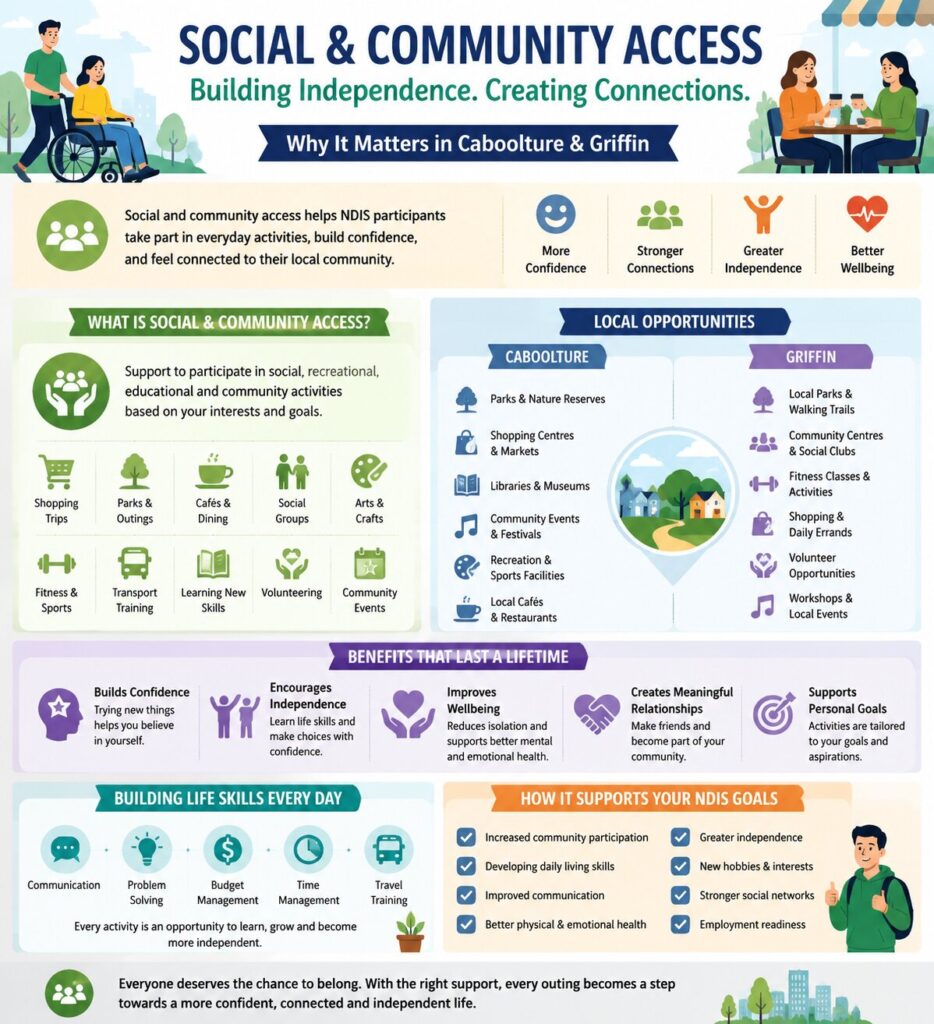
For many individuals, especially those with impairments, limited mobility, or other challenges, community involvement and social engagement are often a struggle. Social and community access services are designed to break down those barriers, helping individuals build connections, participate in community activities, and lead more independent lives. At Beneficence Care Support Services, we understand the profound impact that these services can have on an individual’s well-being. In this blog, we’ll explore how Social and Community Access in Griffin and Social and Community Access in Moreton Bay can empower individuals, creating opportunities for inclusion, independence, and overall improvement in quality of life.
1. Encouraging Greater Independence
One of the primary ways Social and Community Access empowers individuals is by fostering a sense of independence. These services provide people with the tools and resources they need to make choices and manage their lives. Whether it’s deciding which activities to participate in, choosing how to engage with their community, or learning new skills, individuals can take control of their own decisions. For instance, at Social and Community Access in Griffin, people can enjoy a wide range of local events and programs that allow them to develop their independence while also building a stronger connection to their community.
2. Strengthening Social Connections
Another crucial benefit of social and community access in Moreton Bay is the ability it provides for individuals to form meaningful relationships. For those who face isolation or loneliness due to their circumstances, these services offer a lifeline. Community access programs allow people to attend social events, group activities, and recreational outings, where they can interact with others, make new friends, and enhance their social network. Social connections are critical to mental health, and through these services, individuals are empowered to feel more connected and supported.
3. Promoting Inclusion and Equal Opportunities
Social and community access services are integral in promoting social inclusion. Everyone deserves the opportunity to participate fully in their community, regardless of their background or abilities. With Social and Community Access in Griffin, we ensure that individuals with diverse needs are given the chance to take part in activities that would otherwise be inaccessible to them. This could range from attending local festivals and workshops to participating in fitness classes or community group outings. These services help remove barriers, creating a more inclusive environment where everyone is welcomed and valued.

4. Enhancing Physical and Mental Well-being
Engagement in social and community activities has a direct impact on an individual’s overall well-being. Whether it’s through physical activity, creative outlets, or simply the joy of socialising, being involved in one’s community can help improve both mental and physical health. In Social and Community Access in Moreton Bay, people can engage in a variety of activities that promote a healthy lifestyle, such as community sports programs, wellness classes, and more. These activities provide individuals with a sense of purpose and fulfillment, reducing stress, anxiety, and depression.
5. Building Confidence and Self-Esteem
Access to social and community services also plays a key role in boosting an individual’s confidence and self-esteem. As individuals become more involved in their community, they often gain a sense of accomplishment and pride in their ability to contribute to society. Through Beneficence Care Support Services, individuals can enjoy a safe and supportive environment where they can express themselves, build new skills, and feel empowered in their own journey.
Social and community access services provide vital support for individuals, enabling them to live fuller, more independent lives. Whether in Social and Community Access in Griffin or Moreton Bay, these services help individuals form social connections, enjoy equal opportunities, and enhance their well-being. At Beneficence Care Support Services, we are committed to empowering individuals through community engagement, ensuring that everyone has the chance to participate and thrive in their communities.
Ready to empower your community?
Contact Beneficence Care Support Services today to learn more about how we can help you or your loved ones access valuable social and community opportunities. Let us help you build a stronger, more connected future.
Call us at 1800 945 300 or email us at ndis@beneficencecare.com.au for more information.
FAQs
- What are Social and Community Access Services?Social and community access services provide individuals, especially those with mobility challenges, the opportunity to engage in community activities, build social connections, and live more independently.
- How do Social and Community Access Services promote independence?These services allow individuals to make choices and decisions about their involvement in the community, enabling them to take control of their lives and enhance their independence through meaningful activities.
- Can Social and Community Access Services help reduce social isolation?Yes, by offering opportunities for individuals to participate in social events, group activities, and recreational outings, these services help reduce isolation and improve mental health through meaningful connections with others.
- How do Social and Community Access Services benefit mental health?Social engagement and participation in community activities help reduce stress, anxiety, and depression. These services empower individuals to experience a sense of purpose and belonging, contributing positively to their mental well-being.
- Are Social and Community Access Services inclusive for all abilities?Yes, these services are designed to be inclusive and provide equal opportunities for individuals of all backgrounds and abilities, ensuring everyone can access and participate in community activities.
- What types of activities are included in Social and Community Access Services?These services may include attending local events, community workshops, fitness programs, social outings, volunteering opportunities, and other recreational activities that promote community engagement and personal growth.
- How can Social and Community Access Services help with personal development?By participating in community activities, individuals can develop new skills, enhance their confidence, and gain a greater sense of self-worth, all of which contribute to their personal development and growth.
- How do these services support individuals with mobility issues?Social and community access services provide tailored programs that accommodate the unique needs of individuals with mobility issues, ensuring they can access resources, participate in social activities, and lead fulfilling lives.
- Are these services available to everyone?While many services are targeted at individuals with mobility issues or specific needs, social and community access services are also available to anyone who may benefit from increased social interaction, support, and community involvement.
- How can I access Social and Community Access Services in my area?You can contact local community organizations or support service providers like Beneficence Care Support Services, which offer tailored solutions for social and community access in Griffin, Moreton Bay, and surrounding areas.